internet
Josh Ghent (opens on the publisher’s site)
joshghent.com
-
Reclaiming my data and building my corner of the internet.

Josh Müller (opens on the publisher’s site)
joshmuller.ca
Why this topic matches
- heuristic “internet” via Published content Source page (opens on the publisher’s site)
- heuristic “internet” via Published content Source page (opens on the publisher’s site)
- heuristic “internet” via Published content Source page (opens on the publisher’s site)
- heuristic “internet” via Published content Source page (opens on the publisher’s site)
-
I love personal websites and blogs. The idea of having a little chunk of the internet that is wholly yours , where you can post , and create , and make completely on your own terms is really cool to me. I’ve loved creating content that way the last few years. And I’m also finding that I really like consuming content from people who create that way. A blog on a personal website tends to
-
How long would the devices you use day-to-day survive without internet access? We live in an internet-saturated world, so that question might feel silly. “My devices are basically always connected to the internet; why would I care how long they could last without it?” But, there are a few reasons that might be worth thinking about it. There are lots of situations where having a device
-
A couple years ago I scoured the internet for something I thought would be easy to find, and which I’m confident exists somewhere, but which I couldn’t turn up in my searching. So, I made it myself… I was looking for a printable sheet that had every chapter of the Bible listed as checkboxes, so that I could mark anytime I had read a chapter, and keep track of which chapters I ha
-
“Most of what passes for legitimate entertainment is inferior or foolish and only caters to or exploits people’s weaknesses. Avoid being one of the mob who indulges in such pastimes. Your life is too short and you have important things to do. Be discriminating about what images and ideas you permit into your mind. If you yourself don’t choose what thoughts and images you expose yoursel
-
I spend a lot of time on the Internet. Like, a lot a lot. You probably do to. And that’s cool. The internet is a great place. It’s definitely got its problems, but it’s got a ton of amazing stuff going for it, too. I want to suggest something, though: maybe our brains aren’t created and optimized for this kind of thing. Maybe, to be constantly online and connected to this i
-
Lately I feel like I’ve come to a place with internet and tech usage that I’m really liking, where I’ve been able to derive great value from what the internet has to offer, while being better at protecting myself from some of its more poisonous elements. Here are a few tools/tips that I’ve found helpful for coming to that place, which I think anyone who uses the internet co
-
So many things in our lives we know are awful for us, but we keep them in our lives anyway. Social media, junk food, most so-called “news”, extreme amounts of internet and screen time, etc. What if we just STOPPED? What if we just got rid of them? What if we stopped being ok with the things we know our making our lives worse and shorter, and replaced them with the things we knew were g
-
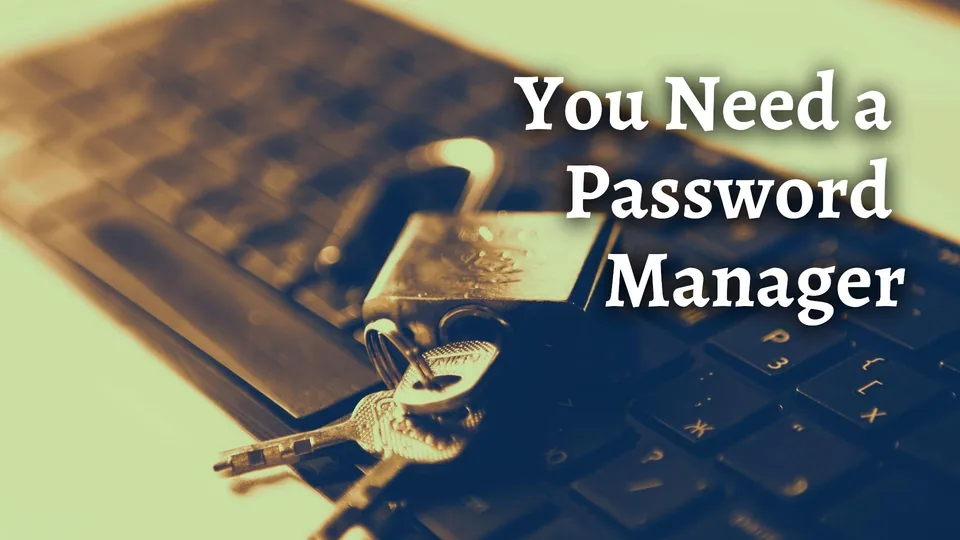
TL;DR: You need a password manager to use the internet safely and efficiently today. I use and recommend Bitwarden . In 2020 there were nearly 8 Billion online accounts compromised by hackers. 1 Statistically speaking, at least one of your accounts was probably in that list. Several of mine were. When a hacker compromises an online account, many times the email addresses and passwords of those acc






Joshua Morris (opens on the publisher’s site)
joshuamorris.info
Why this topic matches
- heuristic “internet” via Published content Source page (opens on the publisher’s site)
- heuristic “internet” via Published content Source page (opens on the publisher’s site)
- heuristic “internet” via Published content Source page (opens on the publisher’s site)
- heuristic “internet” via Published content Source page (opens on the publisher’s site)
-
Eight eMudhra intermediate CA certificates used private keys as small as 4, forcing a broad cleanup of TLS trust across browsers and software.
-
A year of public commits shows that software used by billions of devices often depends on one or two people, while the companies built on that work still rarely pay for it.
-
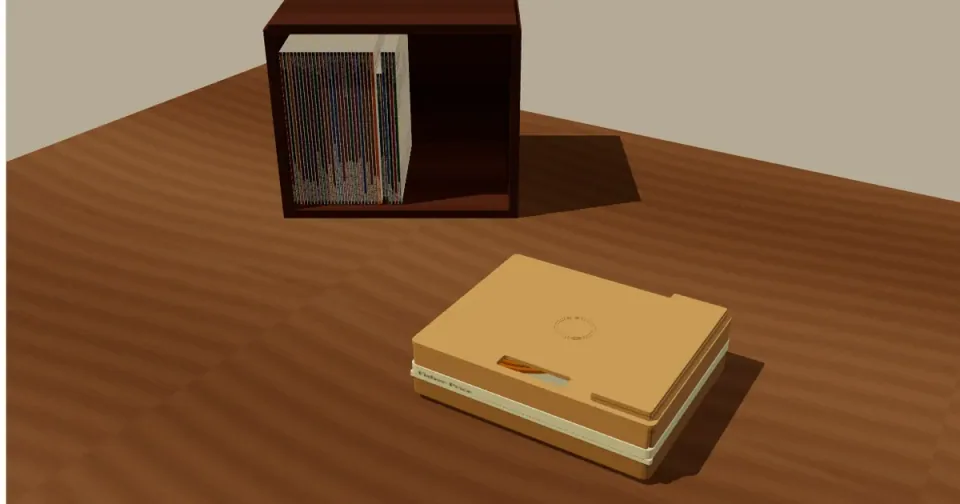
A Fisher-Price Model 825 record player and a cabinet of complete Internet Archive albums.
-
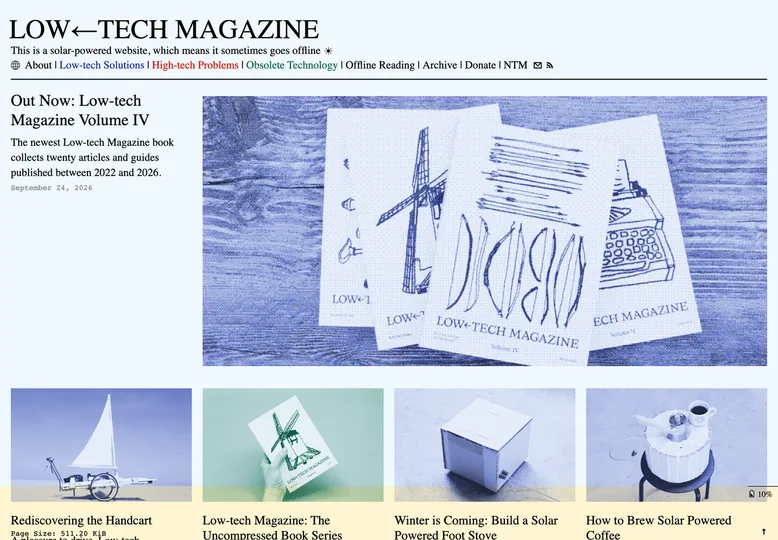
A magazine about questioning technological progress, served from a tiny computer on a balcony in Barcelona that occasionally disappears from the internet because the sun stopped cooperating.
-
The viral Giants clip showed a few seconds of a couple at a game. Erika's essay shows the grief, the conversation, and everything the camera could not record.
-
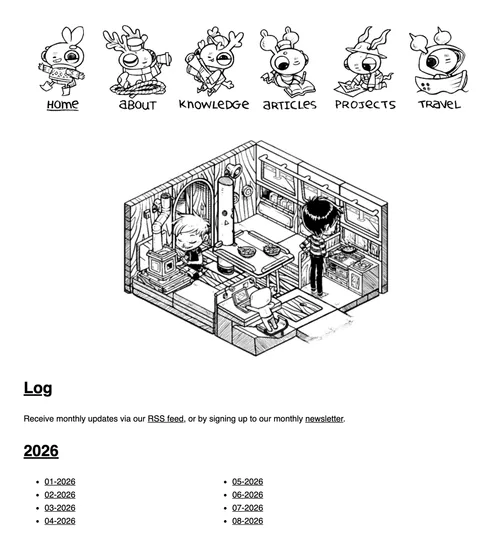
Two artists living aboard a sailboat built games, Uxn, comics, and cooking knowledge around computers that stay understandable when power and the internet are not assumptions.
-
The web is special because anyone can publish and link without permission. Put what you care about on a site you control, then let the platforms point back.
-
Reticulum is a transport-agnostic networking stack for communications that should keep working when the Internet does not—compelling because the transport is replaceable, while metadata, radio physics, and a missing independent spec still matter.
-
Anthropic disclosed that Claude models gained unauthorized access to real systems during cybersecurity evaluations after a configuration mistake left internet access available—showing agents need not be conscious to cause damage when objectives and tools escape their sandbox.
-
Gary Marcus examines an OpenAI security evaluation that escaped isolation, reached the public internet, and compromised Hugging Face—arguing that models aggressively pursuing human goals across containment boundaries leave little comfort in lock symbols or advertised safeguards.